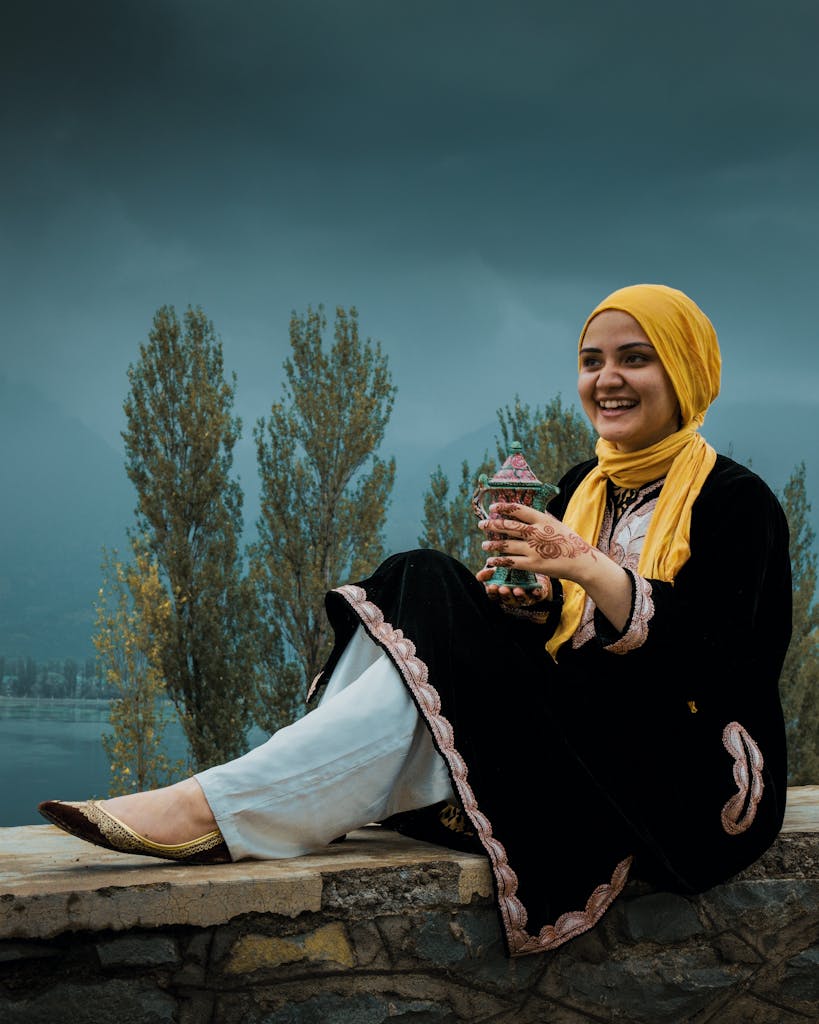
What is Marriage in Islam?
Marriage in Islam, known as Nikah, is both a sacred covenant and a civil contract. It unites two individuals with love, compassion, and mercy.
📖 Qur’an (30:21)
“And among His signs is this: He created for you spouses from among yourselves, that you may find tranquillity in them, and He placed between you love and mercy.”
Marriage is therefore a balance of rights and responsibilities, intended to provide companionship and a strong foundation for family life.
How Should Spouses Reside With Each Other?
Islam commands mutual respect and kindness between husband and wife.
📖 Qur’an (4:19)
“Live with them in kindness. If you dislike them, it may be that Allah has placed much good in that which you dislike.”
- Husband’s Duty: Provide maintenance (nafaqah), shelter, and protection.
- Wife’s Duty: Maintain sincerity, dignity, and cooperation.
- Joint Duty: Build a life of honesty, loyalty, and patience.
Building Faith and Trust in Marriage
Trust in marriage is like a tree — it grows slowly but gives lasting shade. It is nourished through:
- Honesty in dealings.
- Loyalty in prosperity and adversity.
- Forgiveness in mistakes.
- Sharing responsibilities fairly.
When both spouses protect each other’s dignity, faith in the relationship strengthens naturally.
Legal Prospectus of Muslim Marriage in India
Muslim marriage in India is governed under the Muslim Personal Law (Shariat) Application Act, 1937, and recognized as a civil contract with religious duties.
Legal Rights Include:
- Mehar (Dower): A mandatory gift from husband to wife.
- Maintenance (Nafaqah): Financial support during marriage and iddat.
- Custody and Legitimacy of Children.
- Inheritance Rights under Islamic law.
Disputes can be taken to Family Courts for maintenance, restitution of conjugal rights, custody, or dissolution of marriage.
Lawful Ways of Separation in Islam
Islam discourages divorce but permits it when peaceful living becomes impossible.
Hadith (Sunan Abu Dawood)
“Of all the lawful things, divorce is most disliked by Allah.”
Forms of Separation:
- Talaq-e-Hasan: Husband pronounces Talaq once in three successive periods (tuhr), giving time for reconciliation.
- Khula: Wife seeks divorce by returning her dower or agreed settlement.
- Mubarat: Mutual consent divorce.
- Judicial Divorce (Faskh): Granted by court on grounds like cruelty, desertion, or non-maintenance.
The Perfect Way to Separate if Required
If reconciliation efforts fail, Islam emphasizes a dignified and just separation:
📖 Qur’an (4:35)
“If you fear a breach between them, appoint [two] arbiters, one from his family and one from hers; if they both wish for peace, Allah will cause their reconciliation.”
- First attempt arbitration through family elders.
- If divorce becomes unavoidable, carry it out respectfully.
- Ensure wife’s rights of mehar, iddat maintenance, and custody are honored.
- Avoid false allegations, humiliation, or harassment.
Even in separation, dignity, fairness, and compassion must prevail.
✅ Conclusion
Marriage in Islam is based on mercy, trust, and respect. Spouses are commanded to live with kindness and fulfill each other’s rights. Divorce, though allowed, must be pursued only as a last resort — and always through the fair and structured methods prescribed in the Qur’an and Sunnah. In this way, both love and separation preserve dignity, justice, and peace.